
Introduction
Rising energy costs, growing environmental awareness, and the demand for year-round indoor comfort have encouraged many homeowners to explore more efficient heating and cooling solutions. Among the options available today, heat pumps have emerged as one of the most advanced and energy-efficient HVAC technologies on the market. Unlike traditional furnaces and air conditioners that rely on separate systems, a heat pump provides both heating and cooling from a single unit while consuming significantly less energy. Modern air-source heat pumps, geothermal heat pumps, and cold-climate heat pump systems are designed to deliver reliable performance, lower utility bills, and improved home comfort in a wide range of weather conditions. Whether you are replacing an ageing HVAC system or planning a new installation, understanding the benefits of heat pump technology can help you make a smarter, more cost-effective investment for your home’s future.
Key Benefits of Choosing a Heat Pump
- Lower Energy Bills: Heat pumps use electricity efficiently by transferring heat rather than generating it, helping homeowners reduce monthly heating and cooling costs.
- Year-Round Comfort: A single system provides both heating in winter and cooling in summer, eliminating the need for separate HVAC equipment.
- Environmentally Friendly Operation: Heat pumps produce fewer carbon emissions than many traditional heating systems, making them a more sustainable choice for modern homes.
- Quiet and Consistent Performance: Advanced inverter technology helps maintain steady indoor temperatures while reducing noise and minimising energy waste.
- Access to Rebates and Incentives: Many homeowners may qualify for government tax credits, utility rebates, and energy-efficiency incentives that can help lower installation costs.
How Does a Heat Pump Work?
The concept behind a heat pump is surprisingly simple. Rather than generating heat like a gas furnace, it moves existing heat from one place to another. During winter, the system extracts heat from the outdoor air, ground, or water source and transfers it indoors. During summer, the process reverses, removing heat from inside the home and releasing it outdoors.
Because moving heat requires less energy than creating it, heat pumps can achieve significantly higher efficiency levels than many conventional heating systems. This dual-purpose functionality means homeowners only need one system to handle both heating and cooling needs.
Types of Heat Pumps
Not all heat pumps operate in the same way. Understanding the main types can help homeowners determine which option best suits their property and climate.
Air-Source Heat Pumps
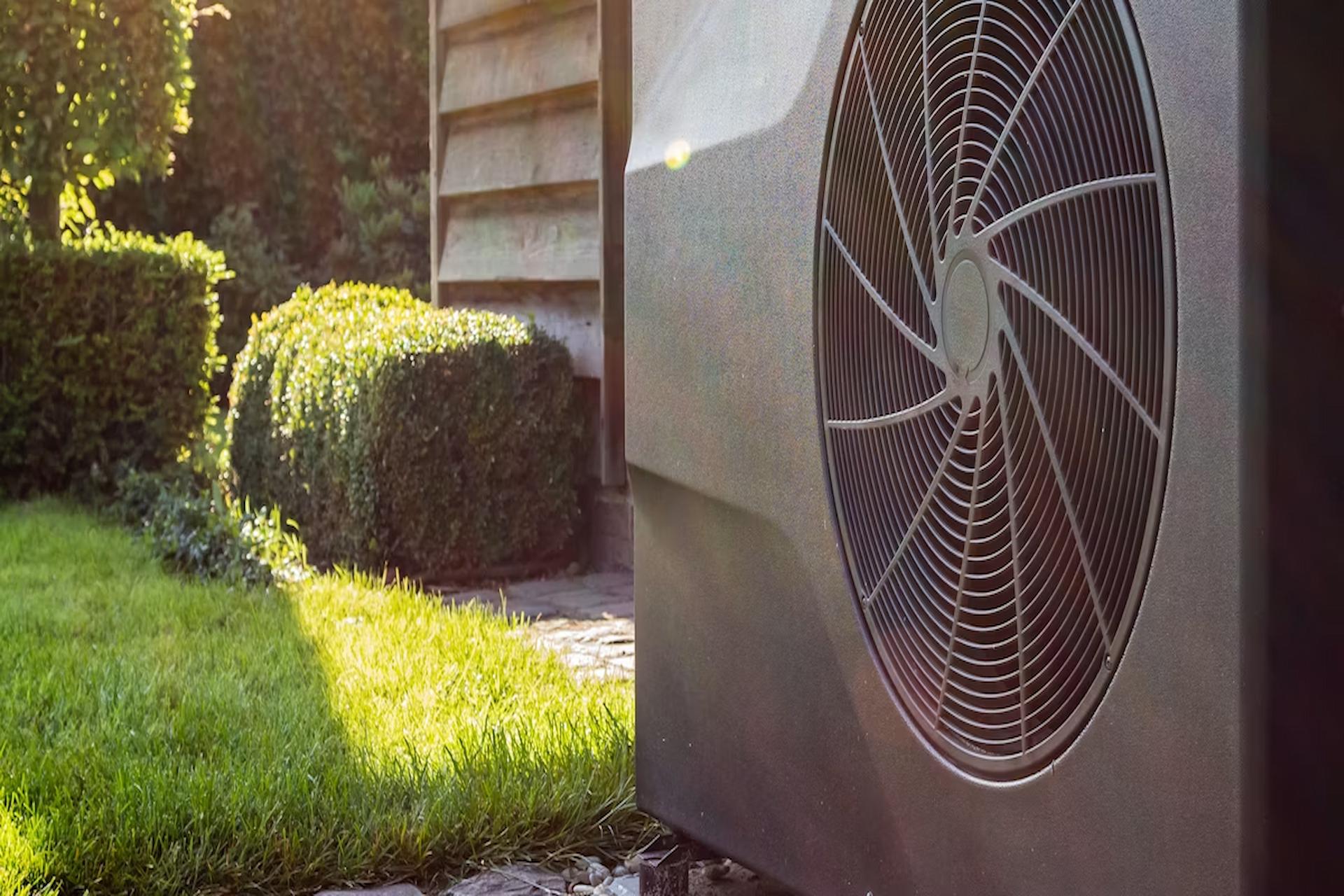
Air-source heat pumps are the most common type installed in residential properties. They extract heat from outdoor air and transfer it indoors. Modern air-source units are highly efficient and relatively straightforward to install. They work well in many climates and often require less upfront investment than other heat pump systems.
Ground-Source (Geothermal) Heat Pumps
Geothermal heat pumps use underground temperatures as their heat source.
Since ground temperatures remain relatively stable throughout the year, these systems can achieve exceptional efficiency. They often have higher installation costs because of the underground piping required, but they can provide substantial long-term energy savings.
Water-Source Heat Pumps
Water-source systems draw heat from nearby water bodies such as lakes, ponds, or wells. These systems can be highly efficient when suitable water resources are available, though they are less common than air-source or geothermal installations.
Do Heat Pumps Work in Cold Weather?
One of the most common misconceptions about heat pumps is that they cannot perform effectively during winter. This belief was more understandable with older systems. Earlier generations struggled when temperatures dropped significantly below freezing.
Today’s cold-climate heat pumps are very different. Advanced compressors, improved refrigerants, and better system controls allow many modern units to operate efficiently even in harsh winter conditions. In extremely cold regions, some homeowners choose to install supplemental heating systems as a backup. However, many modern heat pumps can comfortably handle winter heating requirements on their own for much of the year.
Financial Benefits Beyond Energy Savings
The advantages of heat pumps extend beyond monthly utility bills. Because they combine heating and cooling into one system, homeowners may avoid purchasing separate equipment. This can reduce maintenance requirements and simplify long-term HVAC planning. Additional financial advantages may include:
- Reduced annual energy expenses
- Lower maintenance costs
- Increased home value
- Access to government incentives
- Potential utility company rebates
- Longer equipment lifespan when properly maintained
Many homeowners find that energy savings gradually offset a portion of the installation cost over time.
Environmental Advantages of Heat Pumps
Sustainability has become an important consideration for many households. Heat pumps support environmental goals because they use electricity efficiently and reduce reliance on fossil fuels.Compared with conventional heating systems, heat pumps often produce significantly fewer greenhouse gas emissions.
As electricity grids increasingly incorporate renewable energy sources such as solar and wind power, the environmental benefits of heat pumps may become even greater. For homeowners seeking to reduce their carbon footprint without sacrificing comfort, heat pumps offer a practical and proven solution.
Is a Heat Pump Right for Your Home?
The ideal heating and cooling solution depends on several factors, including climate, home size, insulation quality, energy costs, and budget. A heat pump may be a strong choice if you:
- Need both heating and cooling
- Want lower long-term energy costs
- Plan to stay in your home for several years
- Are interested in environmentally friendly technology
- Have access to available rebates or incentives
- Want consistent indoor comfort throughout the year
Professional HVAC assessments can help determine the most suitable system size and configuration for a specific property.
Frequently Asked Questions
Are heat pumps more efficient than traditional furnaces?
In many situations, yes. Heat pumps transfer heat rather than generate it, allowing them to operate with higher efficiency levels than many conventional heating systems. Actual savings depend on climate, energy prices, and system design.
How long does a heat pump typically last?
Most well-maintained heat pumps last between 10 and 20 years. Regular servicing, proper installation, and routine filter changes can help maximise system lifespan and maintain efficient performance.
Can a heat pump replace both a furnace and an air conditioner?
Yes. One of the biggest advantages of a heat pump is its ability to provide both heating and cooling from a single system, reducing the need for separate equipment.
Are geothermal heat pumps worth the higher installation cost?
For many homeowners, geothermal systems can deliver substantial long-term savings due to their exceptional efficiency. However, the return on investment depends on property conditions, energy prices, and installation costs.
Do heat pumps require a lot of maintenance?
No. Heat pumps generally require similar maintenance to traditional air conditioning systems. Regular inspections, filter changes, and professional servicing help keep the system running efficiently.
Conclusion
Heat pumps have evolved from a niche technology into one of the smartest heating and cooling solutions available today. Their ability to provide year-round comfort, impressive energy efficiency, and lower environmental impact makes them an increasingly attractive option for homeowners seeking long-term value.
Whether choosing an air-source, geothermal, or water-source system, heat pumps offer a practical way to reduce energy consumption without compromising indoor comfort. While every home has unique requirements, modern heat pump technology has proven that efficient heating and cooling can come from a single, intelligent system. For many households, investing in a heat pump is not simply an upgrade it is a forward-thinking decision that delivers benefits for years to come.