
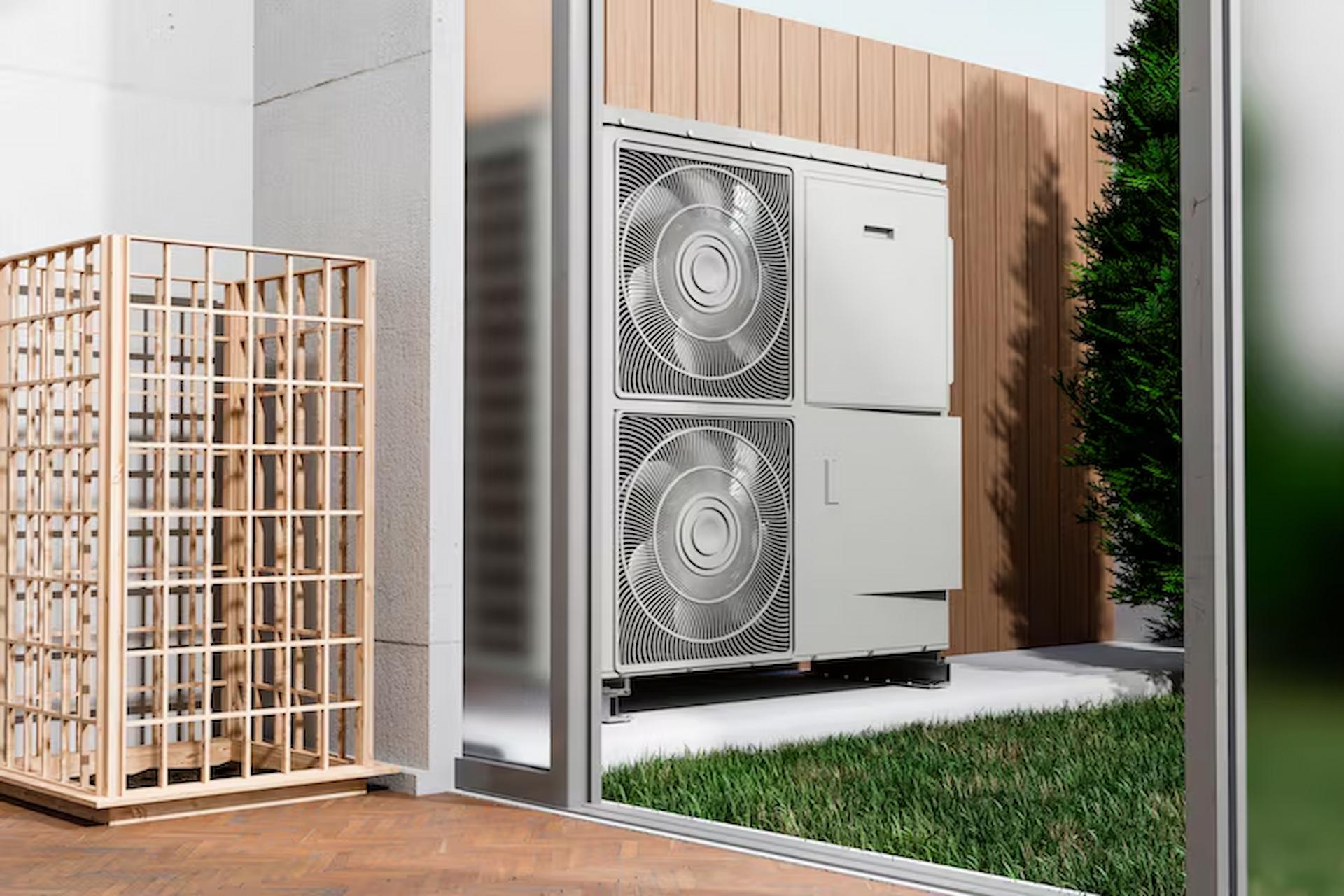
When it comes to maintaining a comfortable home, having an efficient heating and cooling system is essential. Not only does it help regulate indoor temperatures, but it can also reduce your utility bills and contribute to a healthier living environment. If you’re wondering how to optimize your heating and cooling system for better performance, we’ve got you covered. Here’s a comprehensive guide to maximizing your system’s efficiency and ensuring your home stays cozy year-round.
Why Efficiency Matters for Your Heating and Cooling System
The efficiency of your heating and cooling system impacts much more than just comfort; it also affects your wallet. According to the U.S. Department of Energy, heating and cooling account for nearly half of a typical home’s energy usage. This makes it one of the most significant expenses for homeowners. Optimizing the system can save you money, reduce energy consumption, and increase the lifespan of your HVAC equipment.
In areas like heating and cooling in West Hartford, CT, where temperature swings are common, it’s especially crucial to maintain an energy-efficient system to ensure you’re not overpaying during both the hot summers and the cold winters.
1. Regular Maintenance Is Key to Efficiency
One of the most effective ways to improve your system’s efficiency is to keep it well-maintained. Regular maintenance allows your heating and cooling system to run smoothly, preventing costly breakdowns and ensuring it operates at optimal performance.
Key maintenance tasks include:
- Cleaning or replacing filters: Dirty filters restrict airflow, making your system work harder. Clean or replace filters every 1-3 months, depending on usage.
- Cleaning coils and fins: Over time, dust and dirt can build up on coils and fins, reducing efficiency. Regularly clean these components to maintain proper airflow and heat exchange.
- Checking refrigerant levels: Low refrigerant levels in air conditioning systems can reduce efficiency and cause the system to fail. A professional should inspect the refrigerant levels regularly.
2. Seal and Insulate Your Home
A well-insulated home keeps the heat in during winter and out during summer, reducing the workload on your HVAC system. The less your system has to work, the more energy-efficient it becomes.
Simple insulation upgrades include:
- Sealing cracks and gaps: Check windows, doors, and ducts for leaks. Seal any gaps with weather stripping or caulk to prevent drafts and air loss.
- Adding insulation to your attic: A poorly insulated attic can lead to significant heat loss. Insulating your attic can drastically improve your home’s temperature control and reduce energy consumption.
- Upgrading windows: Consider installing energy-efficient windows, which help retain indoor temperature and reduce the need for constant heating and cooling.
3. Upgrade to a Programmable Thermostat
One of the easiest ways to save energy and improve your system’s efficiency is by upgrading to a programmable thermostat. This device allows you to set specific temperatures for different times of the day, ensuring your heating and cooling system isn’t running when you don’t need it. For example, you can program the thermostat to raise the temperature while you’re at work in the winter or lower it during the summer while you’re sleeping.
Benefits of a programmable thermostat:
- Energy savings: By adjusting the temperature automatically, you avoid wasting energy heating or cooling an empty house.
- Convenience: You won’t have to manually adjust the temperature; the thermostat does it for you.
- Consistency: It ensures your home stays at the desired temperature without constant adjustments.
4. Optimize Airflow for Better System Performance
Proper airflow is essential for maintaining the efficiency of your heating and cooling system. Without it, the system can struggle to maintain comfortable temperatures, leading to higher energy consumption.
How to optimize airflow:
- Unblock vents: Ensure that vents are not obstructed by furniture or other objects. Blocked vents can reduce airflow, causing your system to overwork.
- Use ceiling fans: Ceiling fans help distribute air more evenly throughout the room, allowing your HVAC system to maintain temperature more efficiently.
- Inspect ductwork: Leaky ducts can waste a lot of energy, as conditioned air escapes before reaching the rooms. Have your ducts inspected and sealed if necessary.
5. Consider Upgrading Your HVAC System
If your system is old or frequently in need of repairs, it may be time for an upgrade. Newer HVAC systems are designed to be much more energy-efficient, offering better performance and lower operating costs.
When to consider an upgrade:
- Age of the system: If your system is more than 10 years old, it might be time to replace it with a more energy-efficient model.
- Frequent repairs: If your system constantly breaks down, replacing it may be more cost-effective in the long run.
- Energy bills: If your energy bills keep rising despite regular maintenance, a newer system could help cut costs.
Many modern HVAC systems come with features like variable-speed motors, which adjust to meet your home’s heating and cooling needs more precisely, reducing energy waste.
In Conclusion:
Improving your home’s heating and cooling efficiency doesn’t require a complete overhaul. With the right maintenance, upgrades, and strategies, you can enhance your system’s performance, lower your utility bills, and enjoy a more comfortable home.