
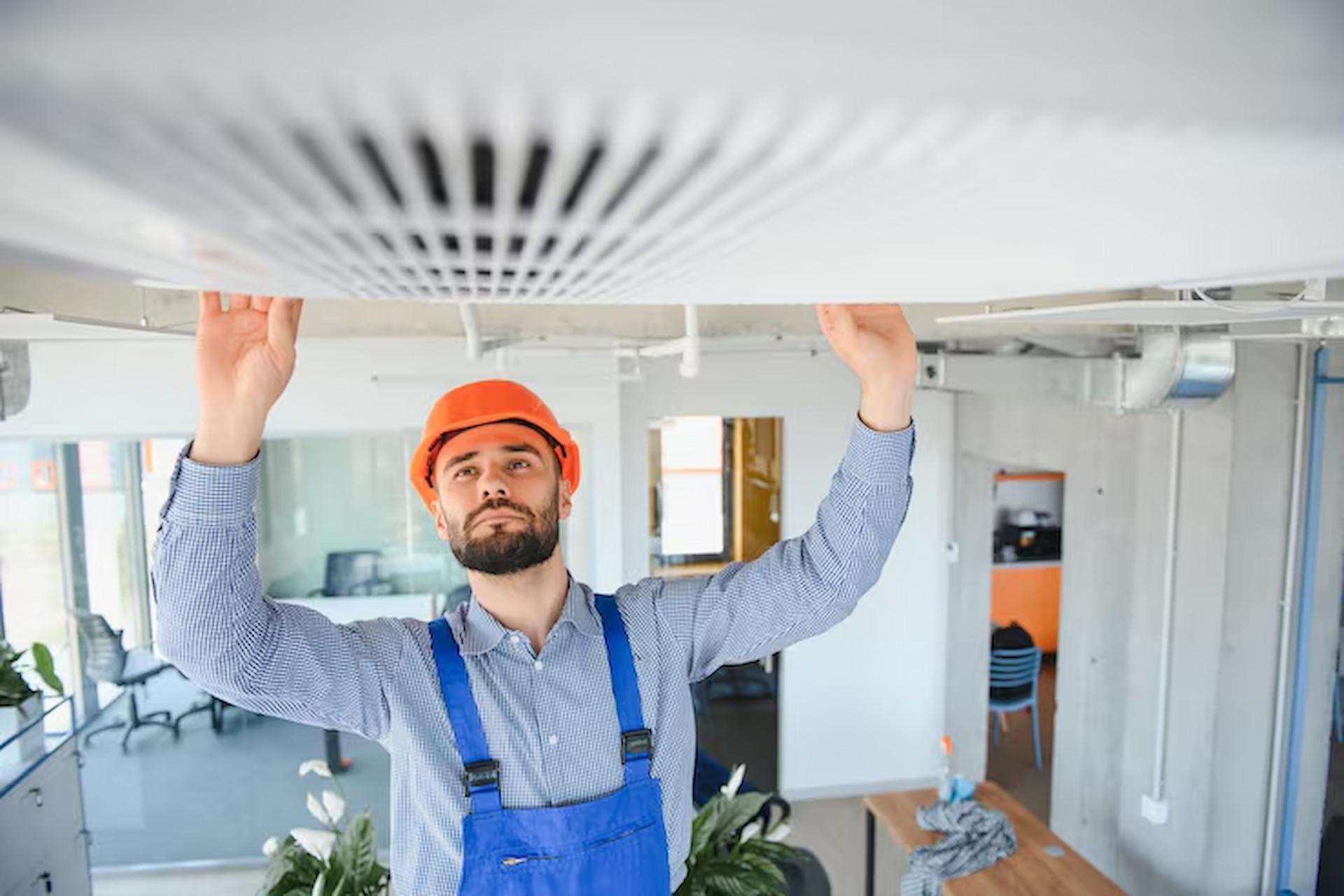
Indoor comfort depends heavily on how well a heating and cooling system performs throughout the year. As temperatures shift between hot summers and cooler months, HVAC systems work harder to maintain stable indoor conditions. Many homeowners only think about servicing their systems after a breakdown happens, but preventative care often saves far more time, money, and frustration in the long run. Homeowners looking to improve efficiency and avoid unexpected repairs often benefit from scheduling professional AC maintenance in Pomaria, SC before seasonal temperature changes place additional pressure on cooling equipment.
Seasonal HVAC maintenance is not only about preventing faults. It also helps improve airflow, energy efficiency, air quality, and overall system reliability. A well-maintained unit creates a more comfortable living environment while reducing unnecessary strain on important components.
How Seasonal Changes Affect HVAC System Performance
Heating and cooling systems operate differently depending on the season. During summer, air conditioners run for longer periods to manage indoor temperatures and humidity. In colder months, heating systems work continuously to maintain warmth. These changing demands naturally place wear on mechanical parts over time.
Without regular maintenance, small issues can quickly develop into larger performance problems. Dust accumulation, clogged filters, worn electrical connections, and restricted airflow can all reduce efficiency and increase energy consumption.
Seasonal inspections help identify these issues early before they affect indoor comfort or lead to expensive repairs.
Summer Cooling Demands
During warmer weather, air conditioning systems face continuous use. Outdoor heat places added pressure on compressors, refrigerant lines, and cooling coils. If components are dirty or airflow becomes restricted, the system may struggle to cool the home evenly.
This often leads to:
- Hot and cold spots throughout the house
- Higher electricity bills
- Longer cooling cycles
- Increased humidity indoors
Winter Heating Pressures
Although cooling systems often receive the most attention, heating systems also require regular servicing. Furnaces and heat pumps experience wear during colder months, especially when airflow is poor or filters are neglected.
Routine inspections help ensure safe and efficient operation while reducing the risk of sudden heating failures during colder weather.
Common Problems Caused by Poor HVAC Maintenance
Neglected HVAC systems often develop problems gradually. Many homeowners do not notice the warning signs until comfort levels decline or repair costs increase.
Some of the most common maintenance-related issues include:
- Dirty or blocked air filters
- Reduced airflow
- Frozen evaporator coils
- Refrigerant leaks
- Drainage blockages
- Faulty thermostats
- Unusual noises or vibrations
Even relatively small issues can force systems to work harder than necessary. Over time, this additional strain increases wear on major components and shortens the overall lifespan of the equipment.
Warning Signs Homeowners Should Not Ignore
Several warning signs may indicate that an HVAC system requires professional attention:
- Rooms cooling unevenly
- Weak airflow from vents
- Rising energy bills
- Frequent cycling on and off
- Musty or dusty indoor smells
- Excess indoor humidity
- Strange rattling or buzzing sounds
Addressing these issues early often prevents more serious damage later.
How Routine HVAC Maintenance Improves Indoor Comfort
One of the biggest advantages of seasonal HVAC maintenance is improved indoor comfort. A properly serviced system operates more consistently and distributes air evenly throughout the home.
This creates:
- Stable indoor temperatures
- Better airflow
- Improved humidity control
- Cleaner indoor air
- Quieter system operation
Comfort is not only about temperature. Indoor air quality also plays a major role in creating a healthy home environment.
Why Indoor Air Quality Matters
Dust, allergens, pet dander, and airborne particles can circulate through HVAC systems when filters and components are not cleaned regularly. Poor indoor air quality may contribute to allergies, respiratory irritation, and discomfort.
Routine maintenance helps reduce airborne contaminants by:
- Replacing dirty filters
- Cleaning coils and vents
- Improving airflow circulation
- Removing built-up debris from the system
Cleaner air contributes to a healthier and more comfortable living space throughout the year.
The Financial Benefits of Preventative HVAC Maintenance
Many homeowners postpone maintenance because they want to avoid immediate service costs. However, preventative care usually reduces overall expenses over time.
A well-maintained HVAC system typically:
- Uses less energy
- Experiences fewer breakdowns
- Requires fewer emergency repairs
- Lasts longer before replacement becomes necessary
Energy efficiency alone can significantly reduce monthly utility bills. When airflow remains unrestricted and components operate properly, systems consume less electricity while maintaining better performance.
Why Small Problems Become Expensive Repairs
Minor issues often become major repairs when ignored for too long. A clogged filter, for example, may seem insignificant, but restricted airflow can eventually damage compressors, motors, or evaporator coils.
Replacing large HVAC components is far more expensive than routine seasonal servicing. Preventative maintenance helps identify these risks before they escalate.
What Happens During a Seasonal HVAC Maintenance Visit
Professional HVAC maintenance involves a detailed inspection of the entire system. Technicians check performance, clean important components, and ensure the equipment operates safely and efficiently.
Typical maintenance tasks include:
- Inspecting electrical connections
- Cleaning coils and condensers
- Testing thermostat accuracy
- Checking refrigerant levels
- Lubricating moving parts
- Inspecting airflow performance
- Replacing or cleaning filters
- Clearing condensate drain lines
These inspections help identify developing issues early while improving overall system reliability.
Professional Maintenance vs DIY Maintenance
Homeowners can perform some basic upkeep between service visits, such as changing filters and clearing debris around outdoor units. However, professional servicing remains essential because technicians can safely inspect internal components and identify hidden problems.
DIY maintenance supports system performance, but it should not replace professional seasonal inspections.
HVAC Maintenance Tips Homeowners Can Follow
Regular maintenance appointments work best when combined with simple day-to-day care. Small habits can help systems operate more efficiently between professional visits.
Helpful maintenance habits include:
- Replacing filters every one to three months
- Keeping vents unobstructed
- Cleaning debris around outdoor units
- Monitoring unusual sounds or smells
- Checking thermostat settings regularly
- Scheduling maintenance before peak seasons
These simple steps help reduce unnecessary strain on HVAC systems and improve long-term reliability.
Why Preventative HVAC Maintenance Supports Long-Term Home Value
A reliable HVAC system contributes to overall property value and homeowner confidence. Buyers often pay close attention to heating and cooling systems because replacement costs can be significant.
Homes with properly maintained HVAC equipment may appear:
- More energy efficient
- Better cared for
- More comfortable year-round
- Less likely to require immediate repairs
Preventative maintenance also helps homeowners avoid unexpected breakdowns during extreme temperatures, when repair demand and costs are often highest.
Conclusion
Seasonal HVAC maintenance plays an important role in keeping homes comfortable, energy efficient, and healthy throughout the year. Regular servicing helps prevent breakdowns, improve airflow, reduce energy costs, and extend the lifespan of heating and cooling equipment.
Rather than waiting for problems to appear, proactive maintenance allows homeowners to address small issues early while maintaining reliable indoor comfort in every season. A consistent maintenance routine not only protects HVAC systems but also supports better air quality, lower operating costs, and long-term peace of mind.