
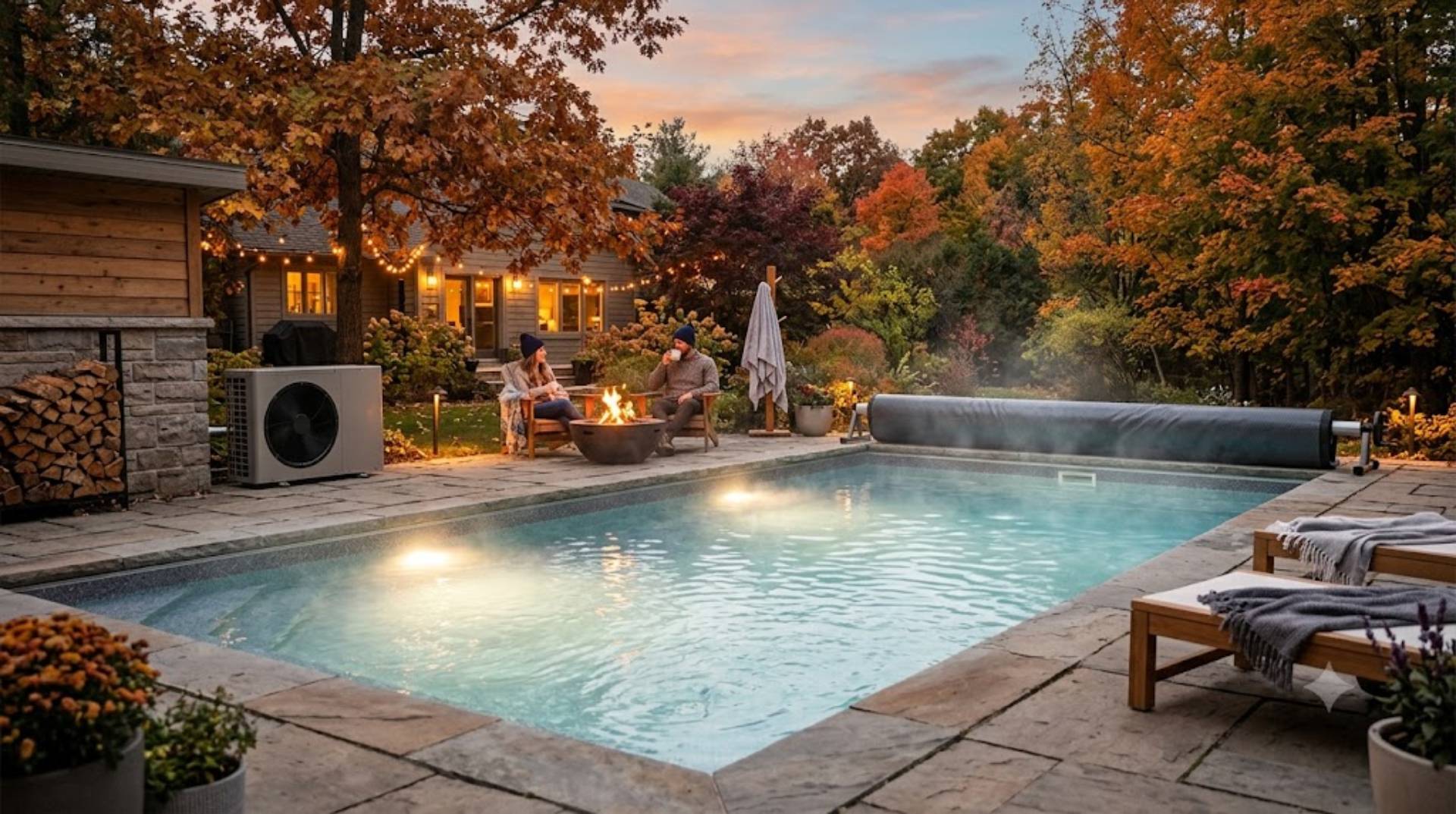
Owning a pool doesn’t have to mean packing it up as soon as the temperatures begin to drop. Even during cooler months, it’s possible to enjoy comfortable swims with the right combination of heating, maintenance, and heat-retention strategies. While outdoor temperatures naturally affect your pool’s water, there are several practical ways to maintain a pleasant swimming environment without wasting energy or driving up operating costs.
If you’re exploring pool heaters for comfortable swimming, it’s worth understanding that a heating system is only one part of the equation. How well your pool holds onto heat depends on several factors, including your pool’s location, exposure to wind, maintenance routine, and the equipment you use. By combining a reliable heater with a few smart practices, you can extend your swimming season and make the most of your investment.
Invest in the Right Pool Heater
A dependable pool heater is the most effective way to maintain a comfortable water temperature when the weather cools. Modern pool heaters are designed to heat water efficiently, allowing homeowners to enjoy consistent temperatures throughout the season.
The best heating option depends on your pool size, local climate, budget, and how often you plan to swim. Some homeowners prioritize quick heating, while others focus on long-term energy efficiency. Choosing the right system ensures your pool remains comfortable without excessive operating costs.
Use a Pool Cover Whenever the Pool Isn’t in Use
One of the biggest sources of heat loss is evaporation. Even after your pool has been heated, uncovered water quickly loses warmth overnight or during windy weather.
A quality pool cover acts as insulation by trapping heat inside the water and reducing evaporation. This simple addition allows your heater to work less frequently while helping maintain a more consistent temperature between swims.
For homeowners who regularly use their pools during cooler months, covering the pool after each use can make a noticeable difference in both comfort and energy savings.
Reduce Heat Loss Around the Pool
Environmental conditions have a significant impact on water temperature. Strong winds can cool the surface of the water much faster than calm conditions, making your heating system work harder than necessary.
Simple landscaping improvements can help reduce this heat loss. Planting shrubs, installing decorative fencing, or adding privacy screens creates a natural wind barrier that protects the pool from constant exposure.
If your pool receives plenty of direct sunlight during the day, allowing that natural warmth to supplement your heating system can also improve overall efficiency.
Maintain Your Heating System
Like any major piece of equipment, pool heaters perform best when they’re properly maintained. Dirt, debris, worn components, or clogged filters can reduce efficiency and increase energy consumption.
Routine maintenance helps ensure your system operates reliably throughout the swimming season while reducing the likelihood of unexpected breakdowns.
Some simple maintenance tasks include:
- Clean or replace pool filters regularly.
- Remove debris from around the heating unit.
- Schedule professional inspections before cooler weather begins.
- Monitor water chemistry to reduce unnecessary strain on equipment.
Keeping the system in good condition allows it to heat water more efficiently while extending its lifespan.
Keep Water Properly Balanced
Water chemistry isn’t just important for swimmer comfort—it also affects how well your equipment performs.
Improper chemical balance can cause scaling, corrosion, or mineral buildup inside heating components, reducing efficiency over time. Maintaining balanced water helps protect the heater and other pool equipment while ensuring the system operates as intended.
Regular testing makes it easier to catch small issues before they develop into larger maintenance problems.
Heat the Pool Consistently Instead of Starting From Scratch
Many homeowners try to save money by turning the heater off completely between uses. While this may seem cost-effective, reheating a cold pool often requires significantly more energy than maintaining a consistent temperature.
Keeping the water within a reasonable temperature range allows the heating system to work more efficiently, especially when paired with a properly fitted pool cover.
Finding the right balance between comfort and energy use often provides better long-term savings than allowing the water temperature to fluctuate dramatically.
Upgrade Older Equipment When Necessary
Older pool heaters naturally lose efficiency as they age. Even if they still operate, they may require longer heating cycles and consume more energy than newer models.
If your heater struggles to maintain temperature, requires frequent repairs, or has become increasingly expensive to operate, upgrading to a modern system may improve both performance and operating costs.
Newer technology often offers better energy efficiency, improved reliability, and more consistent temperature control.
Develop Good Habits That Help Retain Heat
Daily habits can make a noticeable difference in keeping your pool warm throughout the season. Small adjustments often reduce unnecessary heat loss without requiring additional equipment.
Some easy ways to retain warmth include:
- Cover the pool immediately after swimming.
- Run the heater during recommended operating hours.
- Remove leaves and debris promptly.
- Check equipment regularly for leaks or performance issues.
These simple habits help your heating system work more efficiently while extending the amount of time you can comfortably enjoy your pool.
Conclusion
Keeping your pool warm during cooler months doesn’t have to be difficult or overly expensive. The key is to combine the right heating solution with simple maintenance habits that help your pool retain heat more effectively. Using a quality pool cover, keeping your water properly balanced, reducing heat loss from wind, and making sure your heating system is well maintained can all work together to improve comfort while keeping energy costs under control.
Whether you swim occasionally on weekends or enjoy your pool throughout the year, taking a proactive approach can make a noticeable difference in both performance and efficiency. Investing in the right equipment and caring for it regularly not only extends your swimming season but also helps protect your pool system from unnecessary wear and costly repairs. With a little planning and routine upkeep, you can continue enjoying warm, inviting water even when the weather outside begins to cool.