
Heating older homes can be tricky—high ceilings, thick walls, and unique layouts often make it harder to distribute warmth evenly. Choosing the right radiator matters: cast iron panels, slim modern designs, or dual-purpose units can all perform differently depending on your space. Learn which radiator types deliver efficient, consistent heat without compromising your home’s character. By the end, you’ll know exactly what works best for older homes.
Introduction: Heating Homes Built for a Different Era
Older homes were designed in a time when energy costs, insulation standards, and heating expectations were very different from today. Thick walls, high ceilings, and traditional layouts often mean more heat is needed to stay comfortable. Selecting suitable radiators is not simply about replacing old units; it is about choosing systems that work with the building, not against it.
Many homeowners exploring modern solutions, such as Stelrad Radiators, look for reliable options that combine efficiency with flexibility while respecting the structure of period properties.
This article explains what you should consider when choosing radiators for older homes, which types work best, and how to achieve consistent warmth without unnecessary energy waste.
Understanding the Challenges of Older Homes
Older properties present unique heating challenges that newer buildings rarely face. Recognising these factors early helps you select radiators that perform effectively.
-
Limited Insulation
Many older homes have solid walls rather than cavity walls. This means heat escapes more quickly, requiring radiators with sufficient output to maintain stable indoor temperatures.
-
High Ceilings and Large Rooms
Heat rises, and high ceilings can make rooms feel cooler at living level. Radiators must be capable of heating larger air volumes efficiently.
-
Traditional Pipework Layouts
Pipework in older homes may be less flexible, influencing radiator placement and size choices.
-
Aesthetic Considerations
Heating solutions should complement traditional interiors rather than disrupt them. Visual compatibility often matters as much as performance.
What Makes a Radiator Suitable for an Older Home?
Not all radiators perform equally in traditional buildings. The most suitable options share a few essential characteristics.
Higher Heat Output
Older homes often require radiators with a higher British Thermal Unit (BTU) rating. BTU measures how much heat a radiator can produce. A higher rating ensures rooms warm up properly despite heat loss.
Even Heat Distribution
Radiators that deliver steady, consistent warmth help prevent cold spots, especially in larger or irregularly shaped rooms.
Compatibility with Existing Systems
Radiators should work efficiently with traditional boiler systems, avoiding the need for major infrastructure changes.
Common Radiator Types for Older Properties
Understanding the main radiator types helps narrow down the most practical options.
-
Column Radiators
Column radiators are well suited to older homes due to their strong heat output and classic appearance. Their vertical columns allow hot water to circulate efficiently, making them effective in larger spaces.
-
Panel Radiators
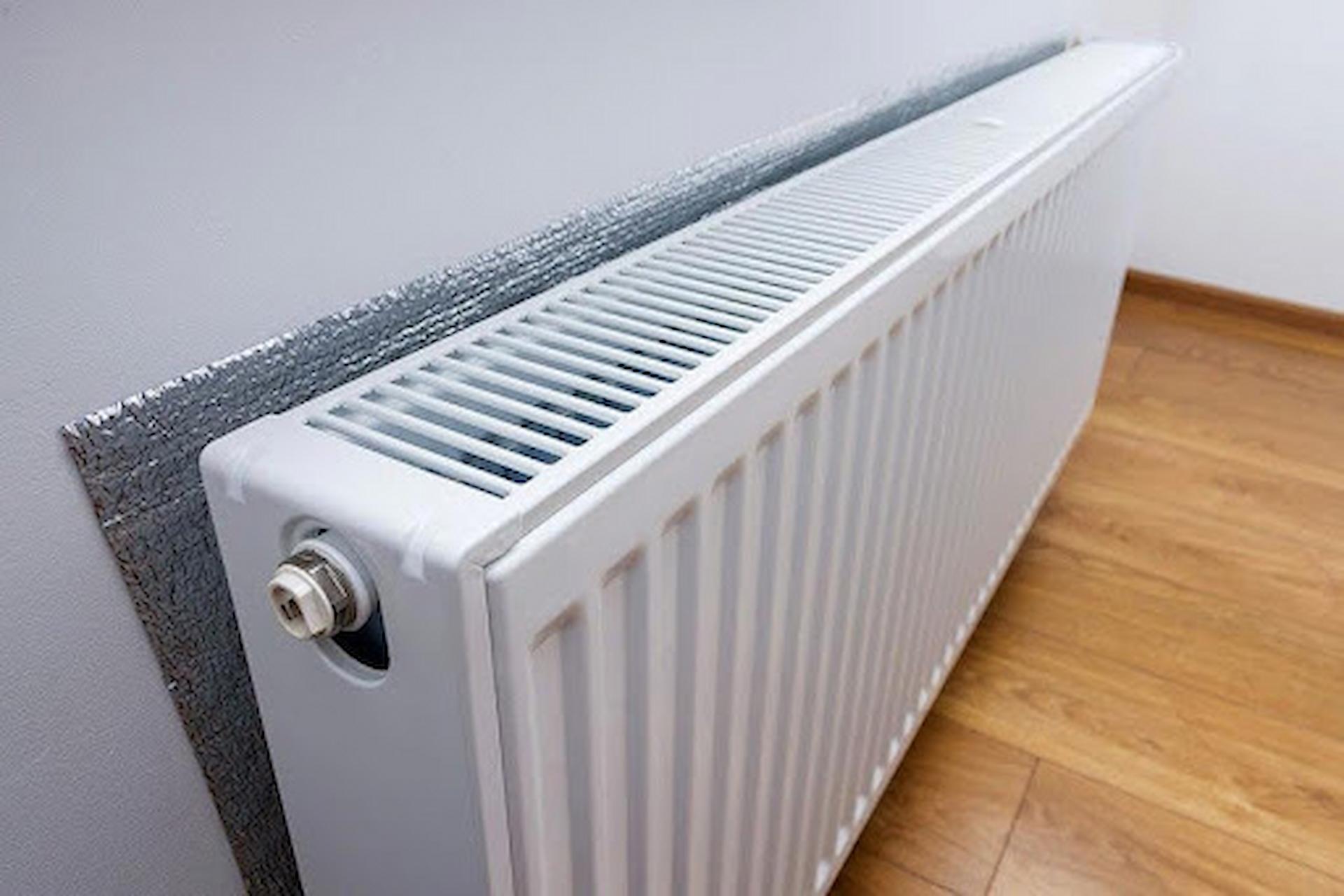
Modern panel radiators can also work well in older homes when selected with adequate size and output. They are slimmer than traditional designs and can fit neatly into existing layouts.
Cast-Style Radiators
Designed to replicate the look of older heating systems, cast-style radiators offer both visual appeal and solid performance. They retain heat longer, providing steady warmth even after the system cycles off.
Balancing Efficiency and Comfort
Efficiency in older homes is not about achieving perfection but making sensible improvements that reduce waste.
Size Matters
Choosing a radiator that is too small leads to constant operation and uneven warmth. Oversized radiators, when properly controlled, can heat spaces more efficiently at lower temperatures.
Water Temperature Compatibility
Some modern radiators perform well at lower water temperatures, improving efficiency without sacrificing comfort.
Control Systems
Thermostatic radiator valves (TRVs) allow room-by-room temperature control, helping manage heat use without altering the character of the home.
Visual Harmony: Matching Radiators to Period Interiors
Radiators are no longer purely functional items. In older homes, their appearance plays an important role.
-
Proportion and Placement
Larger radiators often suit period rooms better than compact designs, maintaining visual balance with tall windows and wide walls.
-
Finish and Colour
Neutral or traditional finishes help radiators blend into existing décor rather than stand out as modern additions.
-
Minimal Structural Changes
Radiators that fit existing pipe locations reduce disruption and preserve original features.
Energy Considerations Without Overcomplication
Improving heating efficiency does not require extensive renovation. Small, thoughtful choices make a noticeable difference.
Heat Retention
Radiators that hold warmth longer help stabilise room temperatures, reducing frequent boiler cycling.
Consistent Output
Even heat distribution improves comfort and prevents overuse of the heating system.
Reduced Energy Waste
Efficient radiators ensure energy is converted into usable warmth rather than lost through short cycling or inadequate output.
Practical Tips for Choosing Radiators for Older Homes
When selecting radiators, keep these actionable points in mind:
- Measure rooms carefully to calculate the correct heat output needed, considering ceiling height and wall type.
- Choose radiators with higher output capacity rather than relying on smaller, underpowered units.
- Prioritise compatibility with existing pipework and boiler systems to avoid unnecessary modifications.
- Use individual controls such as thermostatic valves to manage heat room by room.
- Balance style and performance so radiators complement traditional interiors while delivering reliable warmth.
Maintenance and Longevity
Older homes benefit from heating systems that are easy to maintain.
Radiators with simple internal designs are easier to flush and maintain, ensuring consistent performance over time. Durable materials and quality manufacturing also reduce the likelihood of leaks or inefficiency, which is especially important in properties with older infrastructure.
Making Informed Decisions Without Guesswork
Choosing radiators for an older home should be based on clear information rather than assumptions. Understanding room size, heat loss, and layout ensures the selected radiators meet actual needs rather than estimated ones.
Avoid focusing solely on appearance or price. Performance, efficiency, and compatibility should guide the final decision.
Conclusion
Heating an older home effectively requires thoughtful choices that balance efficiency, comfort, and design. The right radiators can improve warmth, reduce energy waste, and integrate seamlessly with traditional interiors. By selecting appropriate sizes, outputs, and styles, homeowners can enjoy consistent heating without compromising the character of their property. Modern options, including Stelrad Radiators, demonstrate how contemporary heating solutions can meet the unique demands of older homes while delivering reliable, practical performance.
With informed decisions, older homes can remain just as comfortable as they are charming.
 James Johnson
 Amy Johnson